

Karyotyping
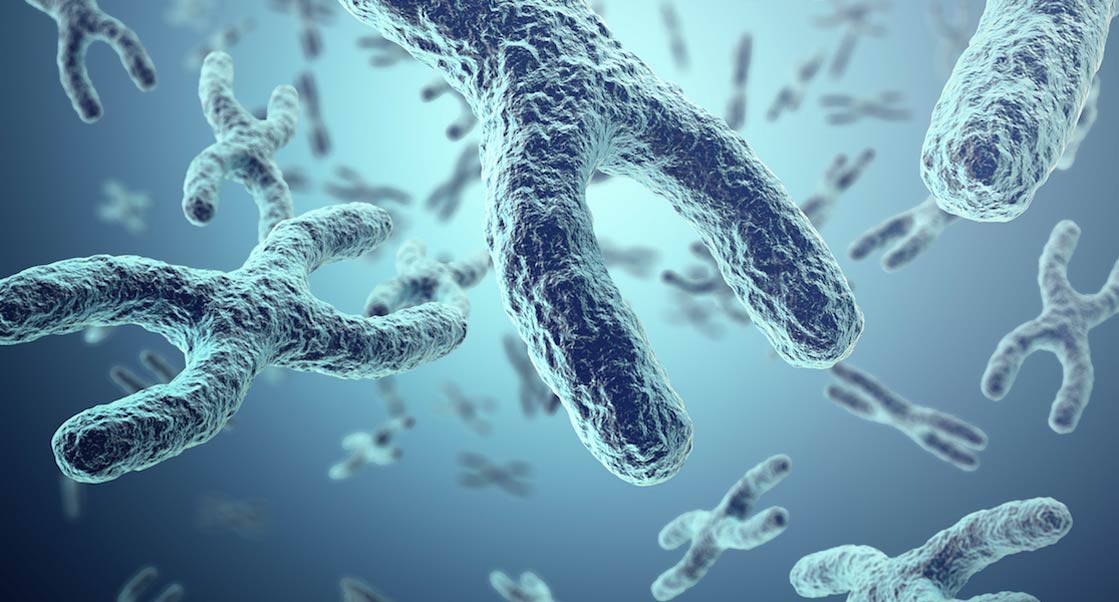
Karyotyping is a test that we carry out to identify genetic problems. When experiencing recurrent miscarriage, it is important to check the chromosome set of both partners in order to exclude the possibility of underlying genetic issues.
Sometimes a part of one chromosome gets detached and attached to another chromosome. Because the total set of the chromosomes (DNA) is complete, this does not cause any physical abnormality in the parent. However, if there are these rearrangement problems with the DNA, the egg or the sperm will either miss or carry an extra part of a chromosome and the resulting embryo will not be chromosomally normal. This results in the embryo either failing to implant or the pregnancy ending in a miscarriage.
If this chromosomal rearrangement problem is diagnosed beforehand, we can test for it in the embryos and choose only normal embryos for transfer (Pre-implantation genetic diagnosis (PGD) for chromosomal rearrangement), decreasing risk of miscarriage.

