

Starting an IVF journey is a significant step, and it’s completely understandable to feel overwhelmed by the amount of information out there. Alongside the medical appointments and decisions involved, many patients find themselves asking what else they can do to support their chances. The answer is quite a lot, and this guide is here to help.
The 90 days before your IVF cycle represent a valuable window of opportunity. With the right approach to diet, lifestyle and supplements, you can prepare your body thoughtfully and give yourself the best possible foundation for treatment.
Why 90 Days? The science behind the timeline
The three-month timeframe is not simply a suggestion; it’s rooted in the biology of reproduction.
For women, the process of folliculogenesis refers to the development of a follicle through to a mature egg ready for retrieval. The final phase of this maturation process takes approximately 90 to 120 days. The quality of the eggs collected during your IVF cycle is therefore shaped, in part, by how you have been living and eating in the months before treatment begins.
For men, spermatogenesis is the cycle through which sperm are produced and matured, taking approximately 64 to 74 days from start to finish. This means that sperm health at the point of treatment directly reflects lifestyle choices made over the preceding two to three months. Positive changes made now can make a meaningful difference by the time your IVF cycle begins.
How to prepare for IVF: Building your dietary foundation
When thinking about an IVF diet plan, the aim isn’t restriction or perfection. Instead, it’s consistent, thoughtful nourishment.
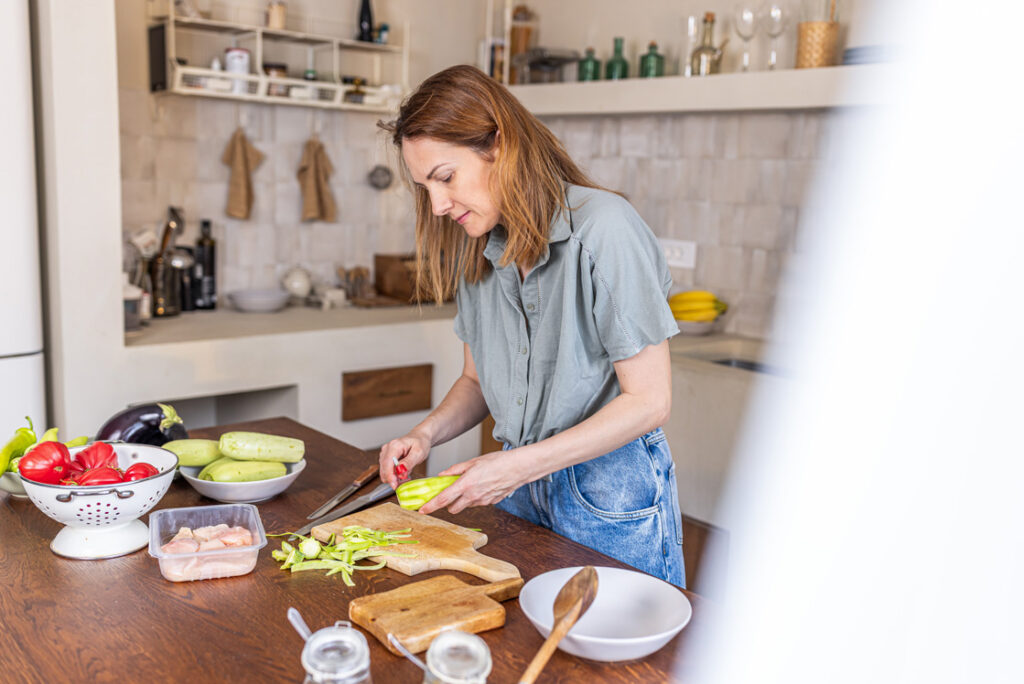
The Mediterranean diet is the most well-researched dietary approach in a fertility context, and the evidence is encouraging. Research has indicated that sticking to this diet could result in a meaningfully higher likelihood of pregnancy in women undergoing IVF. In fact, one study of Dutch women found that those who followed the Mediterranean diet most closely were around 40% more likely to conceive during a cycle. It has also been linked to better sperm motility in men.
Centred on vegetables, legumes, whole grains, oily fish, olive oil, nuts and low-fat dairy, the Mediterranean diet provides a rich supply of antioxidants, healthy fats and essential micronutrients. It’s also varied, satisfying, and sustainable, which is important when choosing food to support your fertility.
Some practical principles to focus on during this period include:
- Replacing refined carbohydrates with whole grains: White bread, sugary cereals and processed snacks can disrupt insulin levels and hormonal balance. Brown rice, oats, quinoa and wholegrain alternatives are far more supportive options.
- Prioritising antioxidant-rich foods: Berries, leafy greens, kale, tomatoes and beetroot all help protect eggs and sperm from the effects of oxidative stress.
- Including oily fish regularly: Salmon, sardines and mackerel are excellent sources of omega-3 fatty acids, which are associated with better egg quality and embryo development.
- Eating a wide variety of colourful fruit and vegetables: Variety ensures a broad intake of vitamins and minerals that support reproductive health.
- Staying well hydrated: Aiming for around eight glasses of water per day is a simple but genuinely important habit.
And don’t worry, because a single cup of coffee or a slice of cake will not derail your IVF cycle. Consistency over time is what matters, not rigid perfection. Being kind to yourself along the way is part of a sustainable approach.
IVF supplements: What the evidence supports
Before beginning any supplement regimen, it is important to consult your fertility specialist, as every person’s needs are unique. Yet, these IVF supplements are among those most widely supported by research in the lead-up to treatment:
- Folic acid or folate is essential for both egg and sperm health.
- Vitamin D is particularly relevant in the UK, where sunlight levels are insufficient for much of the year. Low vitamin D levels have been associated with poorer IVF outcomes, and supplementation is widely recommended. The NHS advises everyone to consider a daily vitamin D supplement during autumn and winter, including women who are pregnant or trying to conceive.
- CoQ10 (Coenzyme Q10) is a well-regarded antioxidant that supports cellular energy production.
- Omega-3 fatty acids are worth considering for those who do not regularly eat oily fish.
- Zinc and selenium play an integral role in male fertility, supporting sperm production, DNA integrity and antioxidant function.
For men in particular, we advise paying special attention to antioxidants, and ensuring you are getting a good amount in your diet.
Lifestyle and environmental factors
We’ve talked about diet and supplements, but what about lifestyle choices during this 90-day period?
Exercise plays a supportive role when kept at a moderate level. Walking, swimming, yoga and Pilates are all beneficial, helping to regulate weight, reduce stress, and improve circulation. High-intensity training in the weeks immediately before your cycle is best avoided, as it can place additional hormonal strain on the body. For men, moderate exercise is also really important.
Sleep is often underestimated in its importance to fertility. Aiming for seven to eight hours per night allows the body to repair, regulate hormones and manage stress. It is a foundational pillar of preparation that costs nothing and delivers a great deal.
Stress management is equally important. IVF is emotionally demanding, and elevated cortisol can interfere with reproductive hormones. Mindfulness, breathing exercises, gentle movement and professional counselling are all approaches worth exploring depending on what suits you personally.
Weight management is vital for both partners, as being underweight and overweight can negatively impact your conception efforts.
Alcohol and smoking both have well-documented negative effects on egg quality and sperm health. Alcohol should be significantly reduced or ideally eliminated during this period, and if you smoke, stopping as early as possible is one of the most impactful steps you can take.
Men should consider reducing time using the laptop, being sedentary, and also avoiding tight trousers such as jeans. Research from Harvard has shown that men who wear loose boxer shorts tend to have better sperm quality than those wearing tighter pants.
Finally, environmental factors are also worth considering. Reducing exposure to endocrine-disrupting chemicals, found in some plastics, synthetic fragrances and certain cleaning products, is a sensible precaution. Choosing glass or stainless steel food containers, opting for fragrance-free toiletries and buying organic produce where budget allows are all practical steps in the right direction.
As Mr Kale, Fertility Consultant at The Fertility & Gynaecology Academy says: “I always encourage patients to think of the 90 days before IVF as an investment, not just in the cycle itself, but in their long-term wellbeing. The changes we recommend are not dramatic. They are about creating the best possible internal environment for fertilisation and implantation to occur. Small, consistent steps add up to meaningful change.”
Our team is here to support you
Preparing for IVF is a process that touches every area of your life, and it is entirely normal to have questions or to feel uncertain about where to start. You don’t need to work through this alone.
At The Fertility and Gynaecology Academy, our experienced team includes an in-house Natural Health Coach who can work with you to optimise nutrition, supplements and lifestyle in the lead-up to treatment. Whether you are looking for personalised advice on how to prepare for IVF, guidance on which supplements are right for you, or simply some reassurance that you are on the right track, we are here to help at every stage.
If you would like to speak with a member of our team, please do not hesitate to get in touch. We look forward to supporting you and answering any questions you may have.